DESCRIPTION
Trade Name: Sapele
Origin: Widely distributed in West and Central African extending to Uganda and particularly prominent in the Ivory Coast, Ghana and Nigeria.
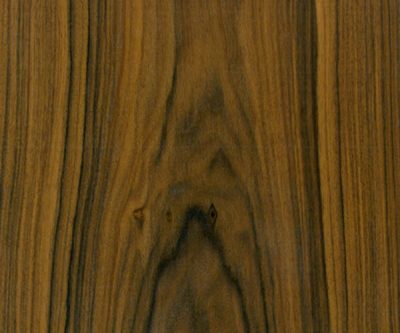
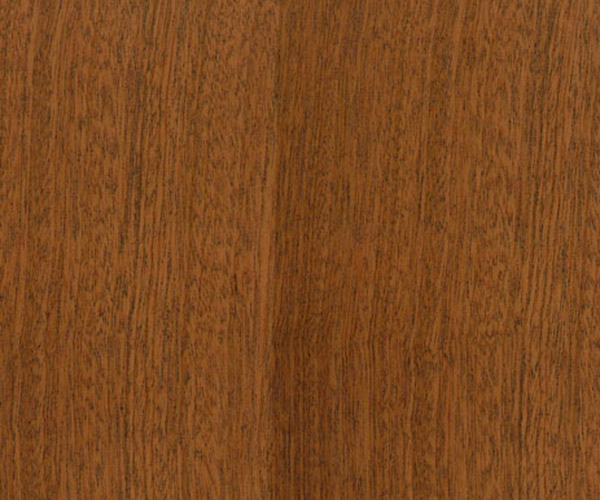
Appearance: Dark reddish or purplish brown with a fine regular interlocked grain. When quarter cut, this feature becomes pronounced and gives the timber a characteristic stripe.
Mechanical: It is listed as being a particularly hard and heavy timber with a density of approximately 650 kg/m³.
Availability: There is a large supply of this hardwood and it has recently become available from a small number of forests which have FSC accreditation. Square edged kiln dried wide or long boards.
Timber Cuts: Sapele is well known for interior parts of furniture such as drawer sides, rails and runners. Its excellent strength and attractive appearance provides the joinery industry with a useful material when constructing substantial items such as staircases, heavy duty window frames and flooring.
Veneer Cuts: Available with FSC certification as both a crown cut and quarter cut veneer but, at the moment, only in small quantities.
Relative Costs: 6
Properties: It is easy to work, either with hand or machine tools, but does has a tendency to tear because of its interlocking grain.
Seasoning: Seasoning is difficult and must be done slowly. The timber is relatively unstable and can be prone to distortion.